
Recycling Technology
Circular regeneration technology refers to the technology of recycling, reusing, and regenerating waste to achieve maximum resource utilization and reduce environmental pollution.
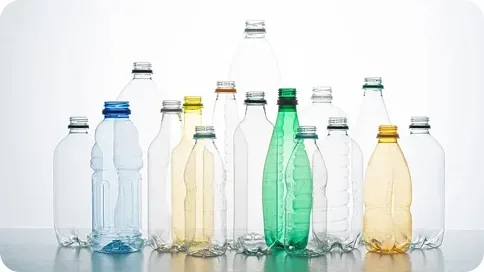
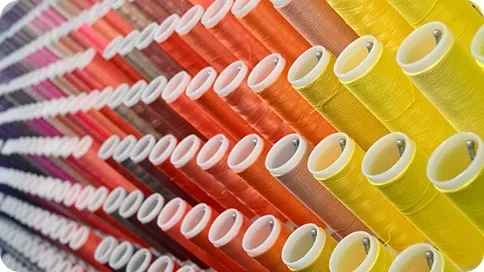
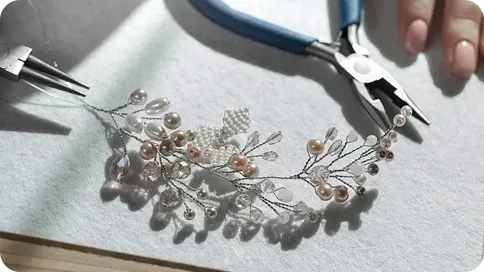
Recycling Technology
Mainly including physical recovery, chemical recovery, and biological recovery
Physical Recycling
It refers to the separation, classification, and processing of waste through physical methods, such as grinding, compression, etc., to obtain reusable materials.
Chemical Recycling
It refers to the decomposition, transformation, and purification of waste through chemical methods to obtain reusable chemicals.
Biological Recycling
It refers to the decomposition and transformation of waste through the action of microorganisms to obtain reusable organic fertilizers, etc.
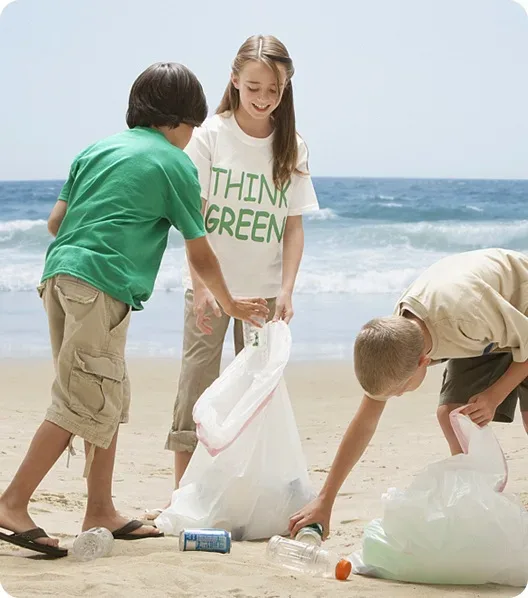
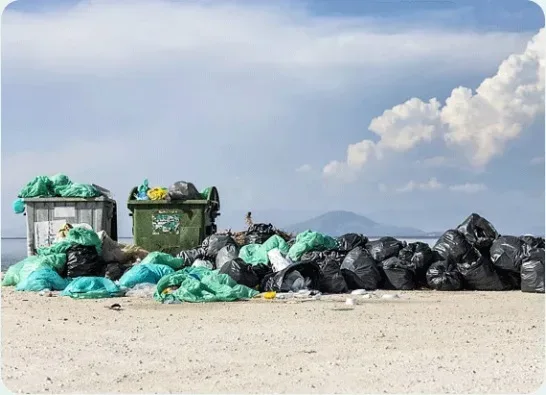
The application of recycling technology can effectively solve environmental problems caused by waste and promote sustainable development.
However, there are also some problems with recycling technology, such as low technological maturity and low recycling efficiency.
Therefore, when promoting the application of recycling technology, it is necessary to comprehensively consider various factors and continuously promote technological innovation and improve recycling efficiency.